
Marital Debt in 2026: Who’s Responsible for Buy Now, Pay Later Loans?
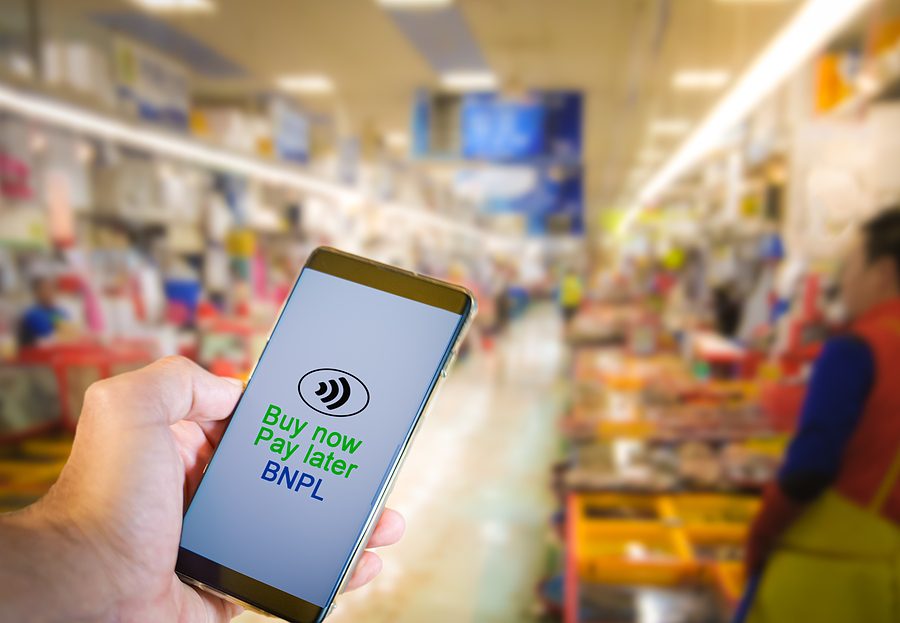
Buy Now, Pay Later (BNPL) services have become a popular way to finance everything from electronics and furniture to groceries and travel. While spreading payments over time may seem convenient, these loans can create unexpected complications if a marriage ends in divorce.
If you and your spouse used Buy Now, Pay Later financing during your marriage, you may be wondering who is responsible for repaying those balances. In California, the answer depends on several factors, including when the debt was incurred, how the funds were used, and the terms of your divorce.
Are Buy Now, Pay Later Loans Considered Marital Debt?
In many cases, yes.
California is a community property state, which generally means that debts incurred by either spouse during the marriage are presumed to be community obligations. That presumption can apply whether the debt came from a traditional credit card, a personal loan, or a Buy Now, Pay Later provider.
For example, if one spouse financed a new family appliance, children’s clothing, or household furniture through a BNPL plan during the marriage, that debt may be considered part of the marital estate, even if only one spouse opened the account.
Does It Matter What the Money Was Used For?
Absolutely.
Courts often look at whether the purchases benefited the marriage or were primarily for one spouse’s separate use. A Buy Now, Pay Later loan used for shared household expenses may be treated differently than financing for luxury items purchased after separation or for an unrelated personal expense.
The timing of the purchase can also make a difference. Debts incurred after spouses separate are often treated differently than debts accumulated while the marriage was intact.
Your Divorce Agreement Doesn’t Always Bind the Lender
Even if a divorce judgment states that one spouse is responsible for paying a particular Buy Now, Pay Later account, the lender is not required to remove the other spouse from the contract.
If both spouses signed the financing agreement or are otherwise legally obligated on the account, the lender may still seek payment from either borrower if the balance goes unpaid. In that situation, the spouse who pays the debt may have legal remedies under the divorce judgment, but resolving the issue can take additional time and expense.
Protect Yourself During the Divorce Process
As Buy Now, Pay Later financing becomes more common, it’s important to identify these accounts early in the divorce process. They can easily be overlooked because they may not appear alongside traditional credit card statements.
Working with your attorney to identify all outstanding debts, determine whether they are community or separate obligations, and negotiate a fair allocation can help reduce the risk of future disputes.
If you’re navigating a divorce and have questions about Buy Now, Pay Later loans or other marital debts, the family law attorneys at Lonich Patton Ehrlich Policastri can help. We’ll review your financial situation, explain how California law may apply to your circumstances, and work to protect your interests throughout the divorce process.
Contact our San Jose office today to schedule a free consultation.
Disclaimer: this article does not constitute a guarantee, warranty, or prediction regarding the outcome of your legal matter.
Gina Policastri

Gina Policastri is a Family Law Specialist as certified by The State Bar of California Board of Legal Specialization, and partner at Lonich Patton Ehrlich Policastri, where she has worked since graduating from Santa Clara University School of Law. Gina was one of the firm’s first associates and, during her 15 year tenure, has been instrumental in growing the firm into one of the largest family law firms in California.