• Facebook
  • Youtube
  • Linkedin
  • Twitter
  • Instagram
  • Vk
Call Us At: (408) 553-0801
Lonich Patton Ehrlich Policastri
  • Home
  • About
    • Why LPEP
    • Our Attorneys
    • Locations
      • San Jose
      • Santa Cruz
      • San Francisco
    • Testimonials
  • LPEP Spotlight
  • Practice Areas
    • Family Law
      • Annulments
      • Certified Family Law Specialists
      • Child Custody and Visitation
      • Child Support
      • Divorce and Your Estate
      • Divorce Litigation
      • Divorce Planning
      • Domestic Partnerships
      • Domestic Violence
      • Enforcement and Modifications
      • Extramarital Affairs
      • Grandparents’ Rights
      • Harassment
      • Legal Separation
      • Mediation and Collaborative Divorce
      • Parental Relocations
      • Paternity
      • Postnuptial Agreements
      • Prenuptial Agreements
      • Property Division
      • Restraining Orders
      • Same Sex Divorce
      • Spousal Support and Alimony
    • Estate Planning
      • Business Succession Planning
      • Power of Attorney
      • Probate
      • Trust Administration
      • Trust and Probate Litigation
      • Trusts
      • Wills
    • Family Law Mediation
    • Professional Athletes
  • FAQ
    • Estate Planning FAQ
    • Family Law FAQ
  • Blog
  • Pay Now
  • Resources
    • Family Law Resources
    • Family Law Terms
    • Estate Planning Resources
  • Contact Us
    • Careers
  • Get a Free Consultation
  • Menu

What Would an End of No-Fault Divorce Look Like?

October 22, 2025/in Family Law /by Mitchell Ehrlich

Currently, all 50 states recognize no-fault divorce as a viable option for couples to dissolve their marriages. However, several states and legislators have proposed changes that would limit or prohibit no-fault divorces, moving toward a system that would require a spouse to prove fault or wrongdoing as a basis for divorce. What would an end of no-fault divorce look like?

What is No-Fault Divorce?

First, it’s important to understand what we mean when we talk about “no-fault” divorce. As the name suggests, no-fault divorce means that neither spouse needs to prove any sort of fault or misconduct, such as adultery, cruelty, abandonment, abuse, etc., as a basis for seeking divorce and can instead cite “irreconcilable differences.” The advantages of no-fault divorce usually include reduced conflict and strain between former spouses, which leads to quicker resolution and greater opportunities for cooperative co-parenting. In addition, both parties are better able to maintain their privacy and dignity throughout a stressful and emotional legal process.

Legal Implications of Ending No-Fault Divorce

To understand the legal implications of ending no-fault divorce, we can look at the legal landscape prior to the establishment of no-fault divorce laws. Generally speaking, obtaining a divorce was significantly more challenging, especially for women. 

As in the past, courts would likely require one spouse to prove fault, such as:

  • Infidelity
  • Physical or emotional abuse or neglect
  • Abandonment
  • Criminal conviction
  • Substance abuse

The requirement to prove fault often led to contentious, drawn-out legal battles that were time-consuming, costly, and potentially embarrassing for both sides. Some couples even resorted to making up evidence in order to meet the legal requirements of proof.

Failure to establish fault could lead to the denial of the divorce.

A law book labeled “Divorce Law” sits beside a judge’s gavel and two wedding bands, symbolizing the legal and emotional aspects of a no-fault divorce.

Social Implications of Ending No-Fault Divorce

Given the stricter legal requirements noted above, the end of no-fault divorce would also likely have a significant social impact. Women’s groups in particular worry that returning to a fault-based divorce system will force many people to stay in abusive marriages because they will be unable, or reluctant, to produce evidence of abuse.

Other people might choose to stay in unhappy marriages rather than publicly air their private issues. In these cases, the mental and emotional wellbeing of both parties, as well as any children involved, would be negatively affected.

Even successful divorces would probably carry an increased social stigma, since the “fault” established would be equated with moral wrongdoing.

Practical Implications 

The requirement to establish fault would necessarily have practical implications, including more expensive divorces and a slower, more congested legal system. Spouses would need to gather evidence that could be presented in court, which could be costly as well as emotionally draining. An increased financial burden of hiring lawyers would make divorce difficult for lower-income families. “Fault” could unduly influence child custody or visitation rights as well as division of assets since the “at-fault” spouse might be denied custody or visitation or receive reduced spousal support or marital assets.

Need Help With Your Divorce?

If you are considering divorce for any reason, it helps to have experienced legal professionals on your side. The family law firm group at Lonich Patton Ehrlich Policastri (LPEP Law)  has over 100 years of combined litigation experience to walk you through the process and seek out the best possible outcome. Call us today to schedule a free, no-obligation consultation to discuss your case and go over all your options.


Disclaimer: this article does not constitute a guarantee, warranty, or prediction regarding the outcome of your legal matter.


https://www.lpeplaw.com/wp-content/uploads/2025/10/bigstock-Unhappy-Divorce-Couple-Having-451825955.jpg 1067 1600 Mitchell Ehrlich https://www.lpeplaw.com/wp-content/uploads/2021/05/LPEP_PC.png Mitchell Ehrlich2025-10-22 13:04:092025-10-23 13:08:25What Would an End of No-Fault Divorce Look Like?

Estate Planning for Unmarried Couples: Understanding Your Options

October 15, 2025/in Estate Planning /by Michael Lonich

When people think about estate planning, they often picture married couples creating wills, trusts, and powers of attorney together. But what about couples who aren’t married? In California, unmarried couples don’t have the same automatic rights and protections as married spouses. 

That means estate planning is not just recommended, it’s essential. Without proper planning, state law may dictate who receives your assets, who makes decisions for you if you’re incapacitated, and who is recognized as your partner.

Below, we’ll explore the key estate planning tools available for unmarried couples and how they can help protect your relationship and future.

Why Estate Planning Matters for Unmarried Couples

California’s intestacy laws (the rules that determine who inherits when someone dies without a will) favor legally recognized family members such as spouses, children, and parents. Unmarried partners are not included. This means that if you pass away without a plan, your partner may receive nothing, regardless of how long you’ve been together.

Plus, without proper documentation, your partner may have no legal right to make medical or financial decisions on your behalf in the event of incapacity. Estate planning ensures that your wishes (and your partner) are protected.

Key Estate Planning Tools for Unmarried Couples

Wills and Trusts for Unmarried Couples

A will allows you to name beneficiaries for your assets and appoint an executor. For unmarried couples, this ensures your partner inherits as you intended. However, wills must go through probate in California, which can be lengthy and public.

A revocable living trust is often a stronger option. Trusts bypass probate, allowing your partner to access assets more quickly and privately. They also allow you to name alternate beneficiaries and outline specific terms for asset distribution.

Powers of Attorney

If you become incapacitated, a financial power of attorney allows your partner to manage your financial affairs, such as paying bills, handling investments, and accessing accounts. Without this document, your partner may need to go to court to gain authority, which can be stressful and time-consuming.

Advance Health Care Directive

In California, an advance health care directive lets you name your partner as the person to make medical decisions if you can’t speak for yourself. It also allows you to state your wishes regarding life support, organ donation, and end-of-life care. Without this directive, medical providers may turn to family members instead of your partner.

Beneficiary Designations for Unmarried Couples

Some assets, like retirement accounts, life insurance policies, and payable-on-death bank accounts, pass directly to named beneficiaries. Be sure to update these designations to include your partner if that’s your intent.

Taking the Next Step

Estate planning for unmarried couples in California requires proactive steps to ensure your wishes are honored and your partner is protected. Wills, trusts, powers of attorney, and healthcare directives work together to give you peace of mind and safeguard your relationship.

Estate planning document labeled “Living Trust” on a desk, symbolizing legal protection and planning for unmarried couples in California.

Work With an Experienced Estate Planning Attorney in the Bay Area

If you and your partner are ready to protect your future, it’s important to work with an experienced estate planning attorney who understands California law. A trusted attorney can help you create a personalized plan that ensures your wishes are respected and your partner is secure.

Contact Lonich Patton Ehrlich Policastri today to schedule your free consultation and start building the protection you both deserve.


Disclaimer: This article does not constitute a guarantee, warranty, or prediction regarding the outcome of your legal matter.

https://www.lpeplaw.com/wp-content/uploads/2025/10/bigstock-Business-agent-planning-with-a-264938815.jpg 601 900 Michael Lonich https://www.lpeplaw.com/wp-content/uploads/2021/05/LPEP_PC.png Michael Lonich2025-10-15 12:50:382025-10-15 12:52:54Estate Planning for Unmarried Couples: Understanding Your Options

The Importance of Prenuptial Agreements in Second Marriages: Safeguarding Personal Assets

October 8, 2025/in Family Law /by Michael Lonich

Prenuptial agreements often receive a bad rap, mainly due to misconceptions about them. They’re frequently portrayed in movies and television shows as a safeguard, protecting an older, wealthy person from a gold digger’s devious plans.

In reality, prenuptial agreements are an effective legal tool. In marriages where one or both spouses have been previously married, unique financial dynamics are at play. There may be significant personal assets that need protecting, especially if either spouse has children from their previous relationship.

Understanding Prenuptial Agreements

A prenuptial agreement is a legally binding contract that both parties sign before marriage. It outlines how assets, debts, and other financial responsibilities will be handled during the marriage and upon its termination, whether by death or divorce.

While the details will vary, a solid prenuptial plan will include:

  • An inventory of what each spouse owns coming into the marriage
  • How assets will be classified and divided if the marriage ends
  • Who is liable for what premarital debts
  • The terms for spousal support
  • The protection of assets for children from a previous relationship, if any, or other beneficiaries
  • Safeguards for business ownership or a professional practice

Why Second Marriages Need Extra Financial Protection

While many second marriages can last a lifetime, the statistics show a sobering reality. 50% of first marriages end in divorce, compared to a 60-70% divorce rate for second marriages.

When you remarry, it’s usually not just two people joining lives. Almost 40% of American families are blended, meaning there is at least one step-parent relationship. It’s essential to ensure that each spouse’s biological children inherit certain family assets. A prenuptial agreement protects the children’s inheritance while the couple builds their life together. 

People getting married for the second time have typically established some wealth, such as:

  • A home with equity
  • Retirement accounts built over decades
  • Valuable collections or family heirlooms
  • Business interests
  • Investment portfolios

These assets represent years of hard work. A prenuptial agreement ensures that they remain separate and don’t become subject to California’s community property laws.

Second marriages also involve ongoing commitments from previous relationships, including:

  • Spousal support
  • Child support
  • Shared custody expenses
  • College funding plans

A prenuptial agreement provides clarification regarding these responsibilities so they don’t become a source of conflict during the marriage.

California’s Community Property Laws

California is a community property state, which means most assets acquired during the marriage are owned equally by both spouses. This includes:

  • Income earned by either spouse
  • Property purchased with marital income
  • Contributions made to a retirement plan during the marriage
  • Any business growth that occurred after the wedding

Without a prenuptial agreement, your spouse could claim rights to half of everything you received during your marriage. This could be problematic if:

  • You own a business that experiences growth during the marriage
  • You receive an inheritance that you intend to pass to your children
  • You contribute to your retirement using separate property funds
  • You make improvements to a separate property using community funds

A valid prenuptial agreement can override California’s community property laws. You and your spouse can agree to keep certain assets separate during the marriage, establish your own property division rules if you divorce, and protect business interests from community property claims.

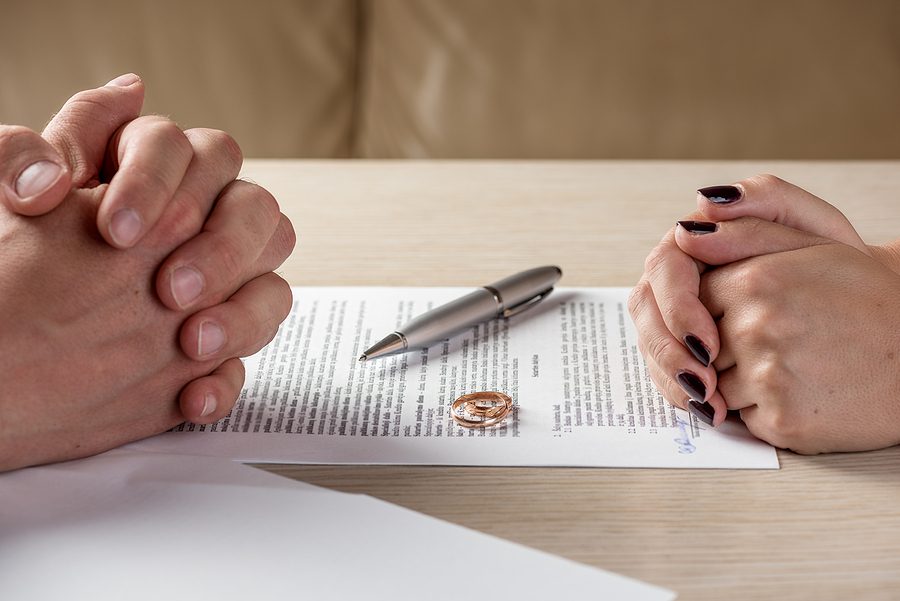
Two golden wedding rings placed together on a light surface, symbolizing marriage and prenuptial agreements.

Taking Action to Protect Your Finances and Your Family’s Future

Prenuptial agreements are particularly crucial for second marriages, given California’s community property laws. A well-crafted agreement can provide peace of mind for you, your spouse, and your families. Our attorneys at Lonich Patton Ehrlich Policastri have the experience you need to ensure your prenuptial agreement meets your needs and complies with California’s Uniform Premarital Agreement Act.

Contact us at 408-553-0801 to schedule your free consultation.


Disclaimer: This article does not constitute a guarantee, warranty, or prediction regarding the outcome of your legal matter.
https://www.lpeplaw.com/wp-content/uploads/2025/10/bigstock-Prenuptial-Agreement-73552324.jpg 600 900 Michael Lonich https://www.lpeplaw.com/wp-content/uploads/2021/05/LPEP_PC.png Michael Lonich2025-10-08 02:53:462025-10-09 02:54:22The Importance of Prenuptial Agreements in Second Marriages: Safeguarding Personal Assets

October 2025 LPEP Spotlight: Haley Lind

October 1, 2025/in 2025, Spotlight /by Lonich Patton Ehrlich Policastri
Read more
https://www.lpeplaw.com/wp-content/uploads/2025/10/Haley-Lind.png 490 718 Lonich Patton Ehrlich Policastri https://www.lpeplaw.com/wp-content/uploads/2021/05/LPEP_PC.png Lonich Patton Ehrlich Policastri2025-10-01 12:00:322025-10-01 12:04:58October 2025 LPEP Spotlight: Haley Lind

Does Moving to Another State Affect Your Estate Planning?

September 24, 2025/in Estate Planning /by Michael Lonich

Preparing to move almost requires a degree in logistics. It involves juggling numerous tasks, such as organizing and packing belongings, coordinating with movers, managing timelines, and ensuring that nothing gets lost or damaged in the process. 

Various forms need to be updated, such as the USPS change of address, driver’s license, vehicle registration, and voter registration. Furthermore, each state has its own laws, and what is legal in your current state may be outlawed in your new locale. Does that also include your estate plan?

How State Laws Influence Estate Planning

Your estate plan consists of legal documents that dictate what happens to your assets and healthcare decisions if you become incapacitated or pass away. The core elements include:

  • A will that directs how your assets get distributed after death and appoints guardians for any minor children
  • Power of attorney (POA) to handle your financial decisions if you can’t
  • Advance directives and a healthcare proxy, which outline your medical care preferences and appoint someone to make decisions for you
  • Trusts to manage assets during your lifetime and beyond

Each state has its own rules regarding these documents. What’s valid in California might not meet the requirements in Texas, Florida, or New York. For example, in California, probate can be expensive and time-consuming, taking 12-18 months and costing 3-7% of the estate’s value. Texas and Florida have relatively efficient probate procedures with lower costs, whereas New York has complex rules that can significantly extend the process.

California vs Other States

California is one of nine states that recognize community property. Any assets acquired during the marriage belong to both spouses equally. Other states follow the common law property rules, where the person’s name on the title determines ownership. Moving from California to a common law state requires a review of how assets are titled and potentially an update to your estate plan to reflect the new ownership rules.

California doesn’t impose state estate and inheritance taxes. However, 12 states and the District of Columbia have their own estate taxes, and six states impose inheritance taxes on the beneficiaries. If you move to another state from California, you might need to restructure your estate plan to minimize the tax burden on your beneficiaries. This could potentially save your loved ones a significant amount of money.

Movers unloading a van filled with boxes during a long-distance move across State lines

If you continue to own property in California and purchase some in your new state, you need to consider that each piece of real estate is subject to the laws of the state where it’s located. You will also need to review your assets that are outside of your will and are passed on through beneficiary designations, such as life insurance policies, bank accounts, and retirement investments like a 401(k).

Your digital assets, including social media accounts and cryptocurrency holdings, also need to be addressed in your estate plan. Some states have adopted the Revised Uniform Fiduciary Access to Digital Assets Act, while others have limited or no specific laws governing digital assets. Complicating matters even more is the issue that tech companies may have their own policies that override state laws. Your estate plan should include provisions for digital estate management that comply with the laws of your new state.

Estate Planning Guidance from LPEP Law

Estate planning is complex, and interstate moves make it even more challenging. Our attorneys at Lonich Patton Ehrlich Policastri specialize in estate planning and are familiar with the differences between states. They can work with you to review and update your existing plan.

Contact us at 408-553-0801 to schedule your free consultation. Remember, estate planning isn’t a one-and-done task. It’s an ongoing process that should evolve with your life circumstances, including where you live.


Disclaimer: This article does not constitute a guarantee, warranty, or prediction regarding the outcome of your legal matter.

https://www.lpeplaw.com/wp-content/uploads/2025/09/bigstock-Moving-To-New-House-Brown-Ca-396029741.jpg 600 900 Michael Lonich https://www.lpeplaw.com/wp-content/uploads/2021/05/LPEP_PC.png Michael Lonich2025-09-24 09:12:512025-09-24 09:17:40Does Moving to Another State Affect Your Estate Planning?

Can I Have an Annulment if my Spouse is Deceased?

September 18, 2025/in Family Law /by Gretchen Boger

Most people think about divorce as the ending of a marriage, but under certain circumstances, an annulment is more appropriate. Legally, an annulment nullifies a marriage so that it’s as if it never occurred.

If your spouse has died, and you are dealing with inheritance issues, spousal debts, or other issues related to you or your spouse’s estate you might be wondering if an annulment, rather than a divorce, could be an option.

The short answer is that when your spouse dies, the marriage is legally ended by their death, so an annulment is not usually an option since that process applies while both parties are alive. However, if an annulment is necessary to protect the rights and the best interests of heirs, family members can sometimes pursue an annulment if certain conditions are true and provable. 

What circumstances precipitate an annulment?

Legal Reasons for Annulments

There are several legal reasons for which a judge would grant an annulment of a marriage. In California, for example, a family court judge would grant an annulment in cases of:

  • Bigamy – one of the spouses is married to someone else
  • Incest – you are close relatives
  • Underage marriage – one spouse was under 18 at the time of marriage and did not obtain parental permission
  • Fraud – one spouse was tricked into the marriage
  • Unsound mind – a spouse lacked the mental capacity to agree to the marriage (including due to inebriation)
  • Forced marriage – one spouse was forced into the marriage
  • Lack of consummation – one spouse is physically unable to consummate the marriage

Declaration of Invalidity

In lieu of an annulment, you might be able to seek a declaration of invalidity through the family court system, which is similar to an annulment, to try to challenge or clarify the legal status of the marriage. You would need to present significant evidence that the marriage was void from the beginning and therefore never valid legally. Void marriages involve issues similar to those required for annulment, including bigamy, fraud, lack of consent, mental incapacity, incest, and fraud. Similar to an annulment, the process to declare a marriage invalid usually occurs while both spouses are alive, but some jurisdictions might consider it after the death of a spouse.

Key Things to Consider

Embarking on a legal challenge after the death of a spouse can take a huge personal toll on you mentally, emotionally, and financially. You should weigh these costs and recognize all the potential outcomes and their impacts on your family, especially if you have children.  

Since family laws related to annulments, declarations of invalidity, inheritance, spousal support, and more vary widely by jurisdiction, it’s important to consult with a family law attorney who specializes in this specific area of a law in your state of residence. 

Hands of a couple signing legal documents related to divorce or annulment.

Get Help from Family Law Attorneys

The family law attorneys at Lonich Patton Ehrlich Policastri (LPEP Law) have years of experience helping families work through complex issues related to annulments, pre-nuptial agreements, property division, and inheritance. Schedule a free, no-obligation consultation to speak with our team about your case. Let LPEP help you protect your rights and your family. 


Disclaimer: this article does not constitute a guarantee, warranty, or prediction regarding the outcome of your legal matter.

https://www.lpeplaw.com/wp-content/uploads/2025/09/bigstock-Break-Up-Woman-Is-Taking-Off-69206020.jpg 600 900 Gretchen Boger https://www.lpeplaw.com/wp-content/uploads/2021/05/LPEP_PC.png Gretchen Boger2025-09-18 10:38:352025-09-18 10:39:00Can I Have an Annulment if my Spouse is Deceased?

Estate Planning Across Borders: Navigating International Family Dynamics

September 10, 2025/in Estate Planning /by Michael Lonich

In an interconnected world, international families are becoming more common. Loved ones may stretch across multiple continents in their search for more diversity and opportunities.

Estate planning can be daunting under normal circumstances. Factoring in family members living in another country takes estate planning to a whole new level. 

How do you ensure your wishes are carried out and your wealth is allocated fairly across borders when laws, taxes, and cultural expectations vary? Estate planning for international families is more about paperwork. It’s also about striking a balance. 

Key Challenges in International Estate Planning

Differences in legal systems, tax codes, and cultural expectations create challenges in international estate planning. Here are some of the key hurdles families may face:

Differing legal systems

Inheritance laws can vary significantly, affecting who inherits and the amount they receive. Some countries have a system of forced heirship, which means that the law dictates that a portion of the estate must be distributed to specific family members, regardless of what the will states. Other countries have more testamentary freedom and flexibility in determining how assets are distributed.

Tax Implications

Some countries have an inheritance tax, which can vary in rates and exemptions. They also vary whether they base their estate tax on the location of the assets or the domicile of the deceased. For example, countries such as the United States tax the worldwide assets of their citizens, regardless of where they live. 

When creating an estate plan, it’s essential to consider the risk of double taxation. This occurs when the assets are taxed in the deceased’s country, but the beneficiaries also face a tax bill from their country of residence. 

The United States does have tax treaties in place with several countries, including Canada, the United Kingdom, Germany, and France. Tax treaties on gifts and inheritances help mitigate the impact of double taxation.

Cultural and Family Dynamics

International estate planning also requires a balance between legal obligations and cultural expectations.

In certain cultures, primogeniture is the expectation in which the eldest son inherits most or all of the family assets. Other cultures tend towards an equal distribution of assets among all children, regardless of their gender or birth order.

Gender roles are another factor in estate planning. Some patriarchal societies don’t allow women to inherit assets, and property passes to the male relatives. This expectation can clash with legal systems that prioritize equal rights and look to ensure fairness among all beneficiaries.

These cultural differences can affect the recognition and enforceability of foreign wills.

Woman in kitchen using laptop for video call, highlighting family dynamics across distances.

Collaborate with LPEP Law

When crafting an international estate plan, it’s vital to work with experts who are familiar with cross-border issues. At Lonich Patton Ehrlich Policastri, our attorneys, with their extensive knowledge and experience, can guide you through the complexities of international estate planning. We can explain how to use treaties, trusts, and other legal tools to your advantage, giving you the confidence that your plan is in good hands.

Estate planning across borders can be complex, but we have strategies to create a plan tailored to your unique needs.

Contact us at (408) 553-0801 to schedule your free consultation.


Disclaimer: This article does not constitute a guarantee, warranty, or prediction regarding the outcome of your legal matter.

https://www.lpeplaw.com/wp-content/uploads/2025/09/bigstock-139839875.jpg 600 900 Michael Lonich https://www.lpeplaw.com/wp-content/uploads/2021/05/LPEP_PC.png Michael Lonich2025-09-10 05:01:562025-09-11 05:10:23Estate Planning Across Borders: Navigating International Family Dynamics

Can a Child Custody Agreement Be Changed?

September 3, 2025/in Family Law /by Virginia Lively

Child custody agreements aren’t set in stone, especially as life changes. What worked well when your child was three may no longer be ideal when they’re ten. 

If you’re wondering whether a custody order can be modified, the answer is yes, but there are rules and procedures to follow, especially in California. Here’s what you need to know if you’re considering a change in your custody arrangement.

When Can a Custody Agreement Be Changed?

In California, a child custody agreement can be modified if it’s in the best interest of the child and if there’s been a significant change in circumstances since the original order was made. The courts generally want to maintain stability in a child’s life, so they don’t make changes lightly. Some common reasons that justify a change include:

  • One parent is relocating
  • A change in the child’s needs (such as school, medical issues, or age)
  • One parent’s ability to care for the child has changed (due to illness, job changes, substance abuse, etc.)
  • The current arrangement is no longer working or safe

How to Modify a Custody Agreement in California

Here’s how you can make modifications to a child custody agreement in California. 

Work It Out Together (If Possible)

If both parents agree to the change, the process is usually smoother. You can draft a new parenting plan and submit it to the court for approval. The court will generally approve it as long as it serves the child’s best interests.

File a Request for Order (If You Don’t Agree)

If one parent wants to change the agreement and the other does not, the requesting parent must file a Request for Order (RFO) with the family court. This formally asks the judge to review and change the custody arrangement.

Attend Mediation

In California, you’ll likely be required to attend mediation with Family Court Services before the hearing. This gives both parents a chance to work out their differences with the help of a neutral third party.

Go to Court

If you still can’t agree in mediation, you’ll go to a court hearing where the judge will decide whether a change is warranted based on the evidence and arguments presented.

Parent holding a child’s hand, symbolizing child custody agreements and family care.

What Does the Judge Consider when Changing a Child Custody Agreement?

The California court always puts the child’s best interest first. Judges will consider:

  • The child’s age and needs
  • Each parent’s ability to provide a stable, loving environment
  • The existing relationship between the child and each parent
  • Any history of abuse, neglect, or substance use
  • The child’s preference (if the child is mature enough)

Need Help Changing a Custody Agreement?

Yes, child custody agreements can be changed in California, but only when there’s a valid reason and the modification supports your child’s wellbeing. Whether you and your co-parent agree on the changes or need help from the court, it’s important to navigate the process carefully.

Our experienced family law attorneys at Lonich Patton Ehrlich Policastri are here to guide you through the process. Whether you’re pursuing an agreed change or facing a contested modification, we’ll advocate for your rights and your child’s best interests. Contact us today for a free consultation.

Disclaimer: This article does not constitute a guarantee, warranty, or prediction regarding the outcome of your legal matter.

https://www.lpeplaw.com/wp-content/uploads/2025/09/bigstock-Divorcing-family-trying-to-div-322347925.jpg 601 900 Virginia Lively https://www.lpeplaw.com/wp-content/uploads/2021/05/LPEP_PC.png Virginia Lively2025-09-03 12:40:082025-09-07 12:41:47Can a Child Custody Agreement Be Changed?

September 2025 LPEP Spotlight: Preston B. Wong

September 1, 2025/in 2025, Spotlight /by Lonich Patton Ehrlich Policastri
Read more
https://www.lpeplaw.com/wp-content/uploads/2025/09/Preston-B.-Wong.png 490 718 Lonich Patton Ehrlich Policastri https://www.lpeplaw.com/wp-content/uploads/2021/05/LPEP_PC.png Lonich Patton Ehrlich Policastri2025-09-01 14:36:512025-09-03 14:37:08September 2025 LPEP Spotlight: Preston B. Wong

Coping with Estate Disputes: Strategies for Resolving Family Conflicts Amicably

August 27, 2025/in Estate Planning /by Michael Lonich

When a loved one passes away, emotions run high, and when estates and inheritances are involved, unresolved tensions can quickly boil over. Estate disputes are sadly common, especially in cases where wills are unclear, outdated, or contested. 

Families in California often find themselves navigating a maze of legal and emotional challenges, but with the right approach, it is possible to resolve these conflicts without damaging relationships permanently.

Below, we explore practical and compassionate strategies for managing estate-related disagreements and keeping family bonds intact.

Understanding the Roots of Estate Disputes

Most estate disputes stem from one of three key issues:

  • Ambiguity in the will or trust
  • Perceived unfairness or favoritism
  • Lack of communication or trust among family members

In California, probate laws are relatively clear, but emotions can still cloud judgment. Even with a valid will or trust, siblings or other beneficiaries might question the intentions behind certain distributions or suspect undue influence. Recognizing these emotional undercurrents is the first step toward resolution.

Strategies for Resolving Estate Disputes Amicably

Prioritize Open and Honest Communication

One of the most effective ways to prevent or resolve conflict is through direct, respectful conversation. Whenever possible, gather family members for a calm, neutral discussion. Acknowledge that everyone is grieving and that emotions may impact how they perceive the situation. 

If a group conversation isn’t feasible, consider written communication or one-on-one meetings to express concerns and clarify intentions.

Involve a Neutral Third Party in Family Conflicts

If conversations become heated or unproductive, mediation can be incredibly helpful. In California, estate mediation is a voluntary, confidential process where a trained neutral party helps guide families toward a mutually acceptable resolution. 

Unlike litigation, it’s less adversarial and often faster and less expensive. Mediation also preserves privacy, a major advantage when compared to court proceedings.

Understand Your Legal Rights and Options

In California, heirs and beneficiaries have the right to contest a will or trust under specific circumstances, such as:

  • Suspected undue influence
  • Lack of mental capacity at the time the document was signed
  • Fraud or forgery
  • A more recent will that supersedes an older one

Understanding these legal grounds can help families determine whether a claim is justified or not, and prevent unnecessary legal battles.

Plan Ahead to Prevent Estate Disputes

The best way to avoid estate conflicts is with proactive planning. Working with an experienced estate planning attorney ensures that your documents are legally sound, regularly updated, and clearly reflect your wishes. This foresight reduces ambiguity and minimizes the risk of family strife after your passing.

Couple dividing a small model house, symbolizing estate disputes and conflicts over property division.

When to Seek Legal Guidance Regarding Estate Disputes

If your family is struggling with an estate dispute in California, don’t face it alone. A compassionate and skilled estate planning attorney can help mediate conflicts, clarify your legal rights, and guide you through probate or trust administration.

Need Help Navigating an Estate Dispute?

At Lonich Patton Ehrlich Policastri, we specialize in estate planning and dispute resolution throughout California. Our experienced attorneys offer thoughtful, solutions-focused support to help families protect their loved ones’ legacies, without tearing relationships apart. 

Contact us today for a free, confidential consultation.

Disclaimer: This article does not constitute a guarantee, warranty, or prediction regarding the outcome of your legal matter.

https://www.lpeplaw.com/wp-content/uploads/2025/08/bigstock-Angry-Deceived-Couple-Customer-239149834.jpg 600 900 Michael Lonich https://www.lpeplaw.com/wp-content/uploads/2021/05/LPEP_PC.png Michael Lonich2025-08-27 15:13:042025-08-27 15:14:29Coping with Estate Disputes: Strategies for Resolving Family Conflicts Amicably
Page 2 of 6‹1234›»
Learn more about estate planning with a free resource
Read all about family law and child custody
Learn more about family law matters such as private divorce counseling.

Categories

  • 2021
  • 2022
  • 2023
  • 2024
  • 2025
  • 2026
  • Business Law
  • Estate Planning
  • Family Law
  • Firm News
  • In the Community
  • News
  • Personal
  • Probate
  • Spotlight

Posts From The Past 12 Months

  • March 2026
  • February 2026
  • January 2026
  • December 2025
  • November 2025
  • October 2025
  • September 2025
  • August 2025
  • July 2025
  • June 2025
  • May 2025
  • April 2025

Explore Our Archives

Free 30-Minute Family Law or Estate Planning Consultation

8 + 0 = ?

Contact Us

LONICH PATTON EHRLICH POLICASTRI

1871 The Alameda, Suite 400, San Jose, CA 95126
Phone: (408) 553-0801 | Fax: (408) 553-0807 | Email: contact@lpeplaw.com

LONICH PATTON EHRLICH POLICASTRI

Phone: (408) 553-0801
Fax: (408) 553-0807
Email: contact@lpeplaw.com

1871 The Alameda, Suite 400
San Jose, CA 95126

Located in San Jose, Lonich Patton Ehrlich Policastri handles matters for clients in northern California, specifically San Jose and Silicon Valley. Our services are available to anyone within the following counties: Santa Clara, San Mateo, Contra Costa, Santa Cruz, Monterey, San Benito, and San Francisco. For a full listing of areas where we practice, please click here.

MAKE A PAYMENT BY SCANNING THE QR CODE BELOW:

DISCLAIMER

This web site is intended for informational purposes only and is not legal advice. Nothing in the site is to be considered as either creating an attorney-client relationship between the reader and Lonich Patton Ehrlich Policastri or as rendering of legal advice for any specific matter. Readers are responsible for obtaining such advice from their own legal counsel. No client or other reader should act or refrain from acting on the basis of any information contained in Lonich Patton Ehrlich Policastri Web site without seeking appropriate legal or other professional advice on the particular facts and circumstances at issue.

About | Why LPEP | Contact | Blog | Data Breach Information

© 2024 Lonich Patton Ehrlich Policastri. All rights reserved. Privacy Policy

Scroll to top

LPEP COVID-19 Office Protocol